The historic places pilgrims visit in Makkah and Madinah — where they are, what happened there and the 2026 rules for the Rawdah and Al-Baqi.
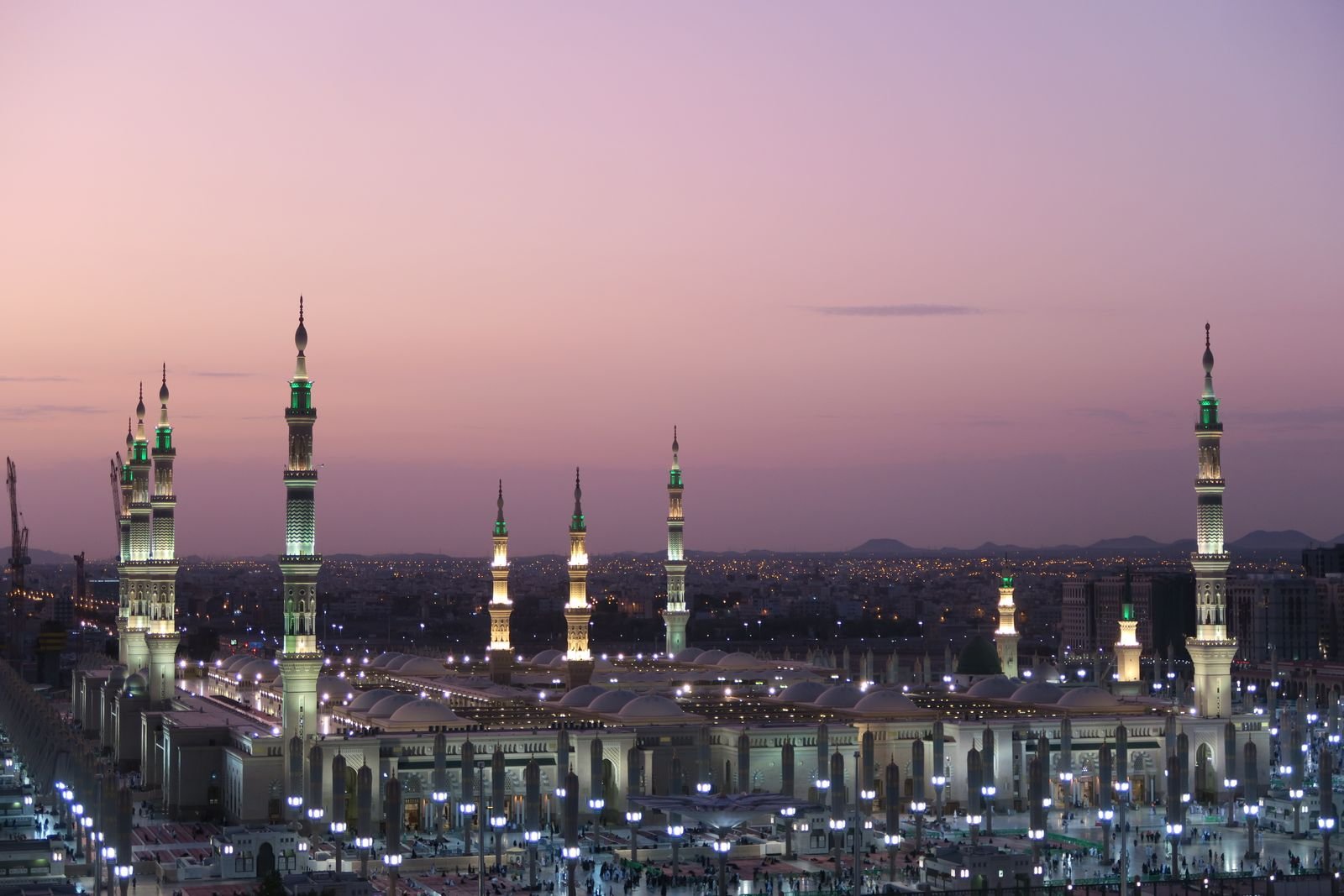
Quick answer: the best-known ziyarat places in Makkah are Jabal al-Nour (Ghar Hira), Jabal Thawr, Mina, Muzdalifah, Arafat with Jabal al-Rahmah, Masjid Aisha at At-Tan'im, Jannat al-Mualla and Masjid al-Jinn. In Madinah they are Riyad ul Jannah inside Masjid an-Nabawi (by Nusuk permit), Masjid Quba, Masjid al-Qiblatain, Mount Uhud and the martyrs' cemetery, Jannat al-Baqi and the Seven Mosques near the Trench.
Almost every pilgrim who goes for Umrah from Pakistan asks the same thing before leaving: Makkah Madinah ki ziyarat mein kaun kaun si jagah dekhni hain? This guide answers that in plain language. It lists the places pilgrims visit most, where they are, what happened there and the few practical rules that apply in 2026 — such as the Nusuk permit for the Rawdah and the fixed visiting times at Al-Baqi. Facts come from the Saudi Ministry of Hajj and Umrah and other official sources, linked at the end.
One point first: ziyarat is not one of the rites of Umrah. Your Umrah is complete with its own rites in Makkah; ziyarat simply means visiting places connected with the life of the Prophet Muhammad ﷺ, his family and Companions. For questions about what to do or say at any place, please ask a qualified scholar — this page only covers locations, history and practical arrangements.
| Place | City | Where | Good to know |
|---|---|---|---|
| Jabal al-Nour & Cave of Hira | Makkah | About 4.8 km, north of Masjid al-Haram | Steep climb; Hira Cultural District at the foot |
| Jabal Thawr | Makkah | About 5 km south | Cave linked to the Hijrah |
| Masjid Aisha (At-Tan'im) | Makkah | About 7.5 km north | On the Makkah–Madinah road |
| Arafat & Jabal al-Rahmah | Makkah | About 23 km; 10 km from Mina, 6 km from Muzdalifah | Hajj site; quiet outside Hajj days |
| Masjid al-Jinn | Makkah | About 900 m north, Al-Hajun | Next to Jannat al-Mualla |
| Riyad ul Jannah (Rawdah) | Madinah | Inside Masjid an-Nabawi | Nusuk permit required |
| Masjid Quba | Madinah | About 3 km south of Masjid an-Nabawi | First mosque built in Islam |
| Masjid al-Qiblatain | Madinah | About 4 km | Where the qiblah changed |
| Mount Uhud & martyrs' cemetery | Madinah | About 4–5 km north | Battle of Uhud, 3 AH |
| Jannat al-Baqi | Madinah | Southeast of Masjid an-Nabawi | Fixed visiting times |
| Seven Mosques (Khandaq) | Madinah | Al-Fath district, foot of Mount Sila' | Battle of the Trench site |
A Makkah ziyarat tour usually takes a morning, because the sites are spread out around the city. Here is what you will see.
Jabal al-Nour, the "Mountain of Light", is where the Prophet ﷺ used to worship in seclusion before revelation began. In the Cave of Hira near its summit, the Angel Jibreel brought the first verses of the Quran. The Ministry of Hajj and Umrah places the cave north of the Grand Mosque, about 4.8 km away, on a mountain roughly 634 metres high, and notes that visiting the cave is not one of the rites of Hajj. It also cautions that the climb is difficult, especially for the sick and the elderly.
At the foot of the mountain, the Hira Cultural District now has the Revelation Exhibition, a Holy Quran museum, a visitor centre and the marked path up to the cave. When we checked on 25 October 2026 the district listed its hours as Saturday–Wednesday 7:30 am–11:30 pm, Thursday 7:30 am–1:00 am and Friday 3:30 pm–1:00 am, with the cave path itself open 24 hours. Timings can change, so confirm on the day.
Jabal Thawr lies about 5 km south of Masjid al-Haram. Its cave is where the Prophet ﷺ and Abu Bakr al-Siddiq (RA) sheltered for three nights at the start of the Hijrah to Madinah — the event the Quran refers to as "the second of the two, when they were in the cave" (At-Tawbah 9:40). Like Hira, the climb is long and rocky; most visitors on a ziyarat tour see the mountain from below.
These three valleys east of Makkah are the Hajj sites (the Mashair). Outside the days of Hajj they are quiet, so an Umrah visit is a chance to see where the rites take place:
Masjid Aisha, also called At-Tan'im Mosque, is about 7.5 km north of Masjid al-Haram on the road towards Madinah. It is named after Sayyidah Aisha (RA). Many pilgrims who are already staying in Makkah go there to put on ihram for an additional Umrah. If you plan to do this, ask your group guide about transport and a scholar about the rulings that apply to you.
Jannat al-Mualla (Al-Ma'la) is Makkah's oldest cemetery, on the slope of Al-Hajun north of Masjid al-Haram. It dates from before Islam. Among those buried there are Sayyidah Khadijah bint Khuwaylid (RA), the first wife of the Prophet ﷺ, Asma bint Abi Bakr (RA) and Al-Qasim, the Prophet's son. Graves are simple and not individually marked.
Masjid al-Jinn stands in Al-Hajun, east of Al-Ma'la cemetery and roughly 900 metres north of the Grand Mosque. It is linked by tradition with the night a group of jinn listened to the Prophet ﷺ reciting the Quran, the event described in Surah Al-Jinn. It is a short drive, or a walk for those who are fit, from the Haram.
Most Madinah sites are within a few kilometres of Masjid an-Nabawi, so a Madinah ziyarat tour is easier on elderly family members. For Pakistani groups it is usually a highlight of the trip.
The Rawdah is the area inside Masjid an-Nabawi between the Prophet's house (now his blessed grave) and his minbar, described in a hadith as "a garden from the gardens of Paradise". Entry is by a free permit booked for a specific date and time slot on the Nusuk app or website, through the Ministry's Rawdah permit e-service. Men and women have separate times. In October 2026 the Ministry said a new Rawdah permit can be issued only 365 days after the previous one, subject to eligibility and available slots, and it also runs an "Immediate Track" for people already near the mosque (report). Book as soon as your Madinah dates are confirmed, and keep the permit on your phone.
Masjid Quba, about 3 km south of Masjid an-Nabawi, is the first mosque built in Islam. The Prophet ﷺ laid its foundation on arrival from Makkah during the Hijrah. The Ministry's Madinah guide quotes the hadith: "Whoever purifies himself in his house, then comes to Quba Mosque and offers a prayer in it, will have the reward of an Umrah." A pedestrian walkway, the Quba Boulevard, now links the area with Masjid an-Nabawi, and the Saudi Press Agency reports a major expansion of the mosque under way.
Masjid al-Qiblatain, the "Mosque of the Two Qiblahs", is about 4 km from Masjid an-Nabawi in the old Banu Salamah area. It is where the command to change the qiblah from Jerusalem to the Kaaba came during prayer (Al-Baqarah 2:144), after the Muslims had prayed towards Bait al-Maqdis for more than a year after the Hijrah.
Jabal Uhud is about 4–5 km north of Masjid an-Nabawi. The Battle of Uhud took place at its foot in 3 AH. Opposite the mountain is the small Archers' Hill (Jabal al-Rumat), and nearby is the cemetery of the martyrs of Uhud, where about seventy Companions are buried — among them Sayyiduna Hamzah ibn Abdul-Muttalib (RA), the Prophet's uncle, and Abdullah ibn Jahsh (RA).
Al-Baqi, southeast of Masjid an-Nabawi, is the main cemetery of Madinah. Many Companions, members of the Prophet's family and the Mothers of the Believers are buried there. The Ministry's Madinah guide gives the visiting times for men as after Fajr until 8:00 am, and after Asr for about one hour, plus immediately after an obligatory prayer when there is a funeral. At present women generally do not enter Al-Baqi; many make du'a from outside the boundary. Timings can change, so check at the gate on the day.
At the foot of Mount Sila' in the Al-Fath district is the site of the Battle of the Trench (Ghazwat al-Ahzab, 5 AH), when the Muslims dug a trench to defend Madinah. The small mosques here are known as the "Seven Mosques", a modern name — according to Visit Madinah five mosques stand on the site today, the largest being Masjid al-Fath, where the Prophet ﷺ made du'a for victory, alongside the Salman al-Farisi mosque named after the Companion who suggested the trench.
The Ministry's guide also lists Masjid al-Ghamamah, about 500 metres southwest of Masjid an-Nabawi, where Eid and rain prayers were held, Masjid al-Ijabah to the northeast, and the Abu Bakr mosque. Your guide can point these out on the way.
For pilgrims looking for a ziyarat tour with Umrah from Pakistan, here is what our group packages already include, as set out on our Umrah Transport page:
To pick hotels close to the Haram before you plan your ziyarat days, see our Makkah hotels and Madinah hotels pages, or compare live dates on Umrah packages 2026 from Pakistan and the city pages for Islamabad, Lahore, Karachi and Wah Cantt.
مکہ مکرمہ: جبلِ نور اور غارِ حرا، جبلِ ثور، منیٰ، مزدلفہ، عرفات اور جبلِ رحمت، مسجدِ عائشہ (تنعیم)، جنت المعلیٰ اور مسجدِ جن۔
مدینہ منورہ: ریاض الجنہ (نُسک ایپ پر مفت پرمٹ ضروری)، مسجدِ قبا، مسجدِ قبلتین، جبلِ اُحد اور شہدائے اُحد، جنت البقیع اور مساجدِ سبعہ (خندق)۔
زیارت عمرہ کے ارکان میں شامل نہیں۔ دیانت ٹریولز کے ہر گروپ پیکج میں مکہ اور مدینہ کی گائیڈڈ زیارت شامل ہے۔ مزید معلومات کے لیے واٹس ایپ کریں: 0330-3786333
Roman Urdu: Makkah Madinah ki ziyarat — Ghar Hira, Jabal Thawr, Arafat, Masjid Quba, Qiblatain, Uhud aur Baqi. Riyad ul Jannah ke liye Nusuk permit zaroori hai.
Checked on 25 October 2026. Rules, timings and access can change; always follow the signs and staff at each site.
Visit us at Basement Amna Arcade, GT Road, Wah Cantt 47020 — or message us on WhatsApp for a quotation. Government licensed (DTS-12187).
 Umrah Guide
Everything a first-time pilgrim needs to know before flying — from Ihram and Miqat to what actually happens once you land.
Read article → Umrah Guide
Practical clothing, packing and travel guidance for women performing Umrah.
Read article → Umrah Guide
Comfort, pacing and health considerations to help elderly family members perform Umrah with less physical strain.
Read article →The places most pilgrims visit are Jabal al-Nour with the Cave of Hira, Jabal Thawr, the Hajj sites of Mina, Muzdalifah and Arafat (with Jabal al-Rahmah), Masjid Aisha at At-Tan'im, Jannat al-Mualla cemetery and Masjid al-Jinn.
Riyad ul Jannah (the Rawdah) inside Masjid an-Nabawi, Masjid Quba, Masjid al-Qiblatain, Mount Uhud and the martyrs' cemetery, Jannat al-Baqi and the Seven Mosques area near the site of the Battle of the Trench.
Yes. Visits to the Rawdah are by a free permit booked for a date and time slot on the Nusuk app or website. In October 2026 the Ministry of Hajj and Umrah said a new permit can be issued only 365 days after the previous one, subject to eligibility and available slots.
No. Umrah is complete with its own rites in Makkah; ziyarat means visiting historic places. For any religious question about a visit, please ask a qualified scholar.
Yes. Our group packages include airport transfers, Makkah–Madinah transport and guided Ziyarat in Makkah and Madinah, accompanied by an experienced guide. Private vehicles for families are available on request — ask us on WhatsApp for pricing.